Managing Heera’s Pain
What a little poodle taught me about caring for painful dogs
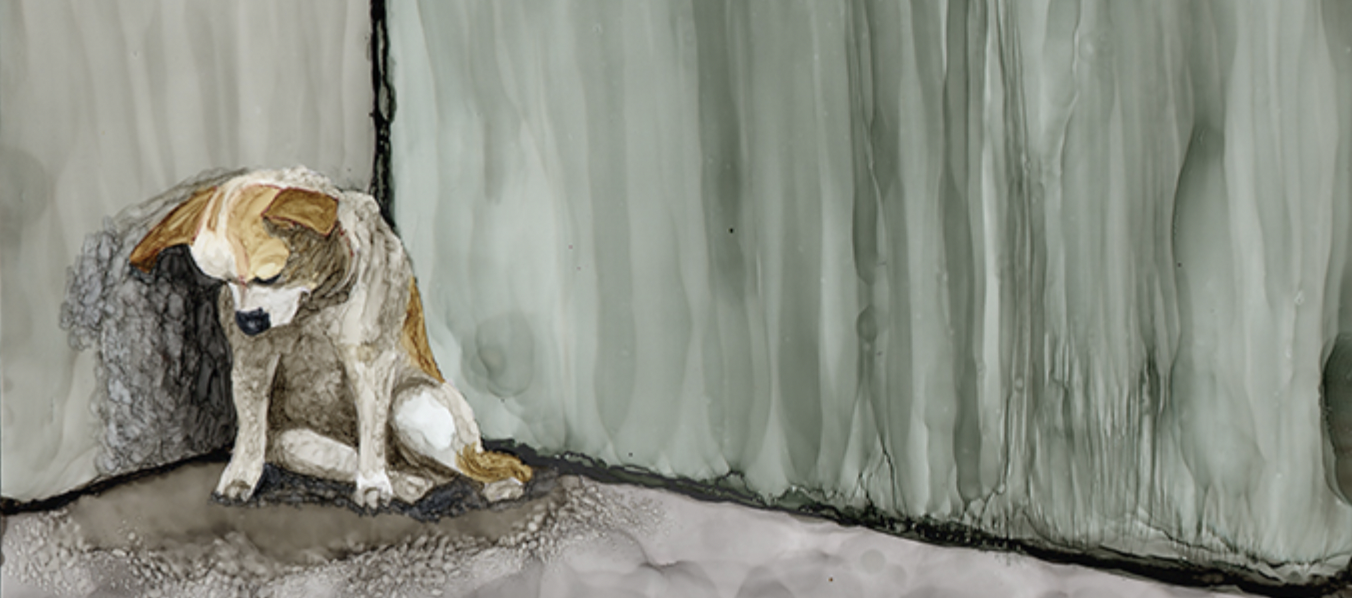
“Adopt Me” by Vera Worthington
At this point, if you bring me a dog with significant behavior problems, I’ll bet you ten bucks there’s some sort of pain somewhere in their body.
I’ll probably bet you another ten that adequately managing it will require more than the first, second, or even the third, intervention you’re offered.
In this article I’ll take you through my personal experience accessing care for my painful dog, and share the conclusions I’ve come to after a decade of training ‘difficult’ (AKA painful) dogs.
Meet Heera - the poster boy for untreated chronic pain
This is my boy Heera: a sporty, sweet, sensitive 9 year old poodle. Before we understood the extent of Heera’s medical issues, he experienced every behavior problem possible. He was extensively fearful, sound sensitive, aggressive towards dogs and people, averse to grooming, guarded resources, and more. What I now know is that Heera had been experiencing unrecognised pain, since puppyhood, that effected his ability to cope with every aspect of life.
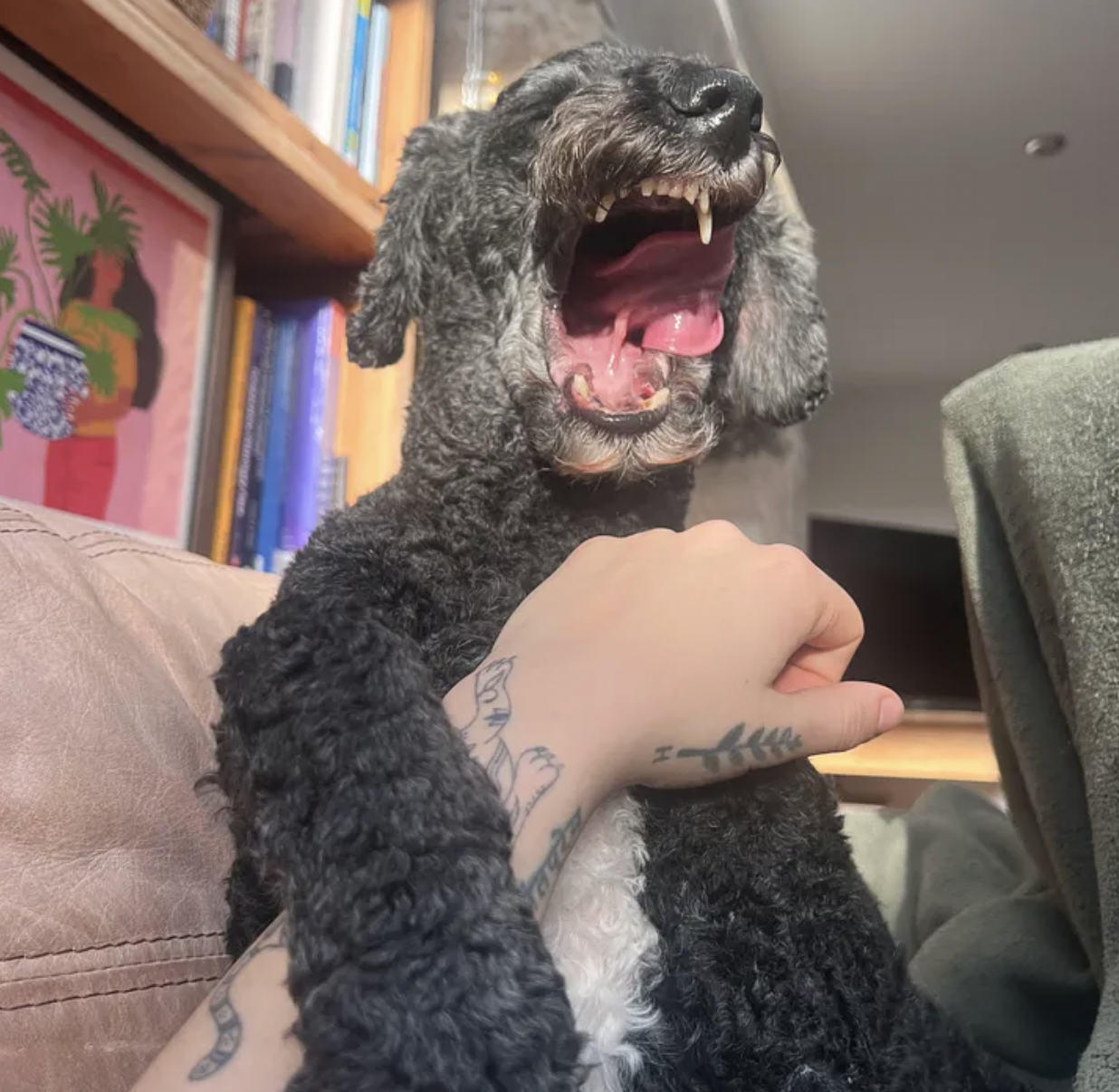
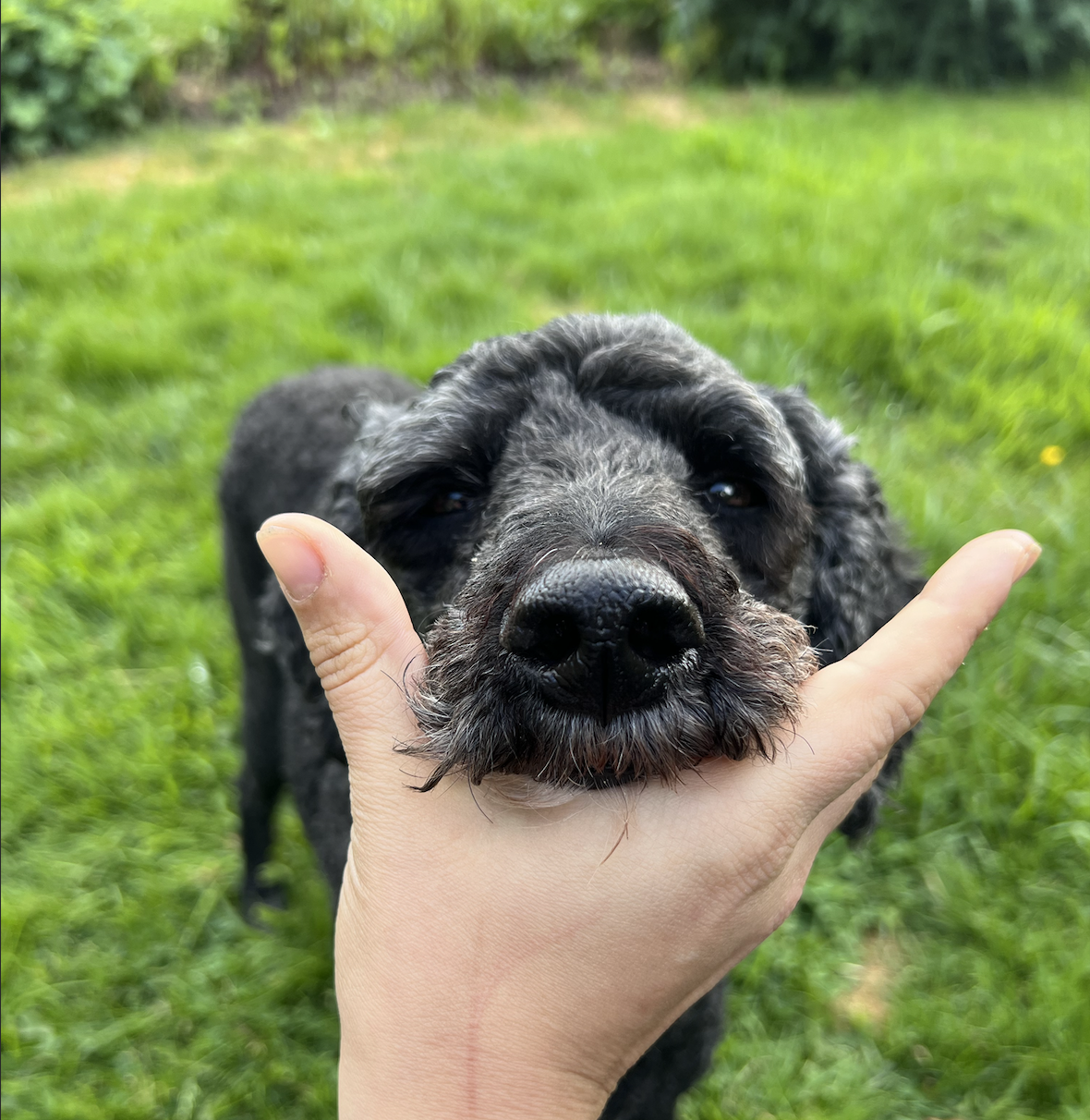
Today, at 9 years old, his current list of diagnoses includes lumbosacral stenosis, osteoarthritis, hip dysplasia and a partially torn CCL, as well as hypermobility spectrum disorder. Each of these conditions, I now know, can be incredibly painful. But for the majority of his life, no one knew that he was suffering.
Eventually, at 6 years old, his body, started collapsing. His world got smaller and smaller as he experienced repeated catastrophic pain flares that left him unable to walk for weeks at a time. His Dr’s insisted his conditions shouldn’t be very painful, and insisted on ‘conservative’ treatment, while I begged for something, anything, to halt his rapid deterioration.
I understand now that, like many, I was offered woefully inadequate solutions to the complex problem that is untreated chronic pain, and spent the next 3 years finding professionals who understood, and figuring out how to get Heera the care he needed.
When pain is managed, the true dog emerges
Once we began properly managing Heera’s pain 90% of the issues I had spent years trying to train away disappeared.
He stopped reacting to noise, started making friends easily. He could rest while other dogs moved and played around him. He began tolerating car rides, grooming and veterinary care. He could enjoy walks (even in the cold, wind and rain), splashes in rivers with his siblings, and sleeps deeply. It was like all the work we’d done for years finally clicked into place.
Most miraculously, for me, our relationship finally had a chance to recover. After about a year of this new approach, he stopped isolating himself. He started cuddling with me on the couch and sleeping pressed against me in bed, his little face on the pillow next to mine. When he is overwhelmed, or in pain, he comes to me to tell me about it and get my help in accessing the relief he needs.
Over the last three years, I’ve watched this correlation play out repeatedly. When Heera has a pain flare, the behaviors return. When we get his pain back under control, they disappear again.
For Heera, pain management isn’t a small part of his behavior plan, it’s the majority of it.
So how DO we help chronic painful dogs?
Managing chronic pain is less about applying one magical treatment and more like conducting an orchestra. None of the individual instruments is the symphony, but when all of them are playing together, something entirely different emerges.
We’re making five, ten or twenty small interventions over time to facilitate deep transformation. There is no one size fits all, so I thought I’d just show you Heera’s full current pain management plan: so you can get an idea of what it might look like
Medication: At baseline Heera currently receives 300mg gabapentin three times a day: morning, afternoon and nighttime. He also receives 250mg of acetaminophen twice a day and once a month, he gets subcutaneous ketamine injections. I adjust meds as needed: giving him an extra for long car rides, bigger hikes, grooming/ vet care and other pain-flaring events. This sounds like a lot, but I don’t expect Heera’s pharmaceutical support to end here. We’ve already discussed methocarbamol, amitriptyline and amantadine as possible future additions.
Nutrition and body condition: Heera’s diet is designed to keep him lean while maintaining as much muscle as possible. He receives joint supplements and fish oils, and we pay close attention to his weight because extra weight places additional demands on an already struggling body. As squatting and straining is very painful for him, I supplement his food with extra fibre that keeps everything move smoothly.
Environmental accommodations: Most importantly, every floor area is covered with rugs or carpet so that he isn’t slipping. We have ramps and steps up to sofas and beds and I’ve set up many comfortable resting spots that are extremely supportive to encourage deep rest. Due to neurological dysfunction he can struggle with temperature regulation, so I am always monitoring the weather and adjusting the temperature in the home to keep his joints and muscles consistently warm.
Activity accommodations: Every day I think about where his body is going to be positioned, what movements I’m asking him to perform and whether an activity is likely to trigger a pain flare. Long car journeys, for example, can be difficult for him. Being confined on a lead and unable to move his body freely for extended periods can also cause problems. I don’t allow him to move in ways I know will hurt him, even if he thinks he can do it. For Heera this means limiting high arousal jumping, chasing and fetch games and making sure he warms up and cools down appropriately.
Beneficial Movement: Protecting a painful dog doesn’t mean preventing movement. In fact, long periods of inactivity can make Heera significantly more painful. He needs at least one, but ideally two or three, shorter opportunities to move every day. I want him moving as freely as possible, on relatively even surfaces where he is less likely to twist or be destabilised. I’m constantly navigating the balance between too much, too little, and the right kind of movement.
Physical therapies: Heera also does strengthening, fitness work and physiotherapy under professional guidance. He receives PEMF treatments and massages every day to help release chronically tight muscles and trigger points. We use targeted heat to relieve tight and spasming muscles, and plan on experimenting more with laser and ultrasound treatments, and acupuncture in 2027.
Stress management: Pain and stress don’t exist in separate universes. If Heera spends his day reacting to noises, sleeping poorly, or experiencing situations in which his entire body becomes tense, his pain gets worse. So reducing unnecessary stress is part of treating his pain too.
Pain reprocessing: Heera lived with inadequately treated body pain for over six years. Pain doesn’t just leave its mark on the body, it leaves memories, and even once we began managing his pain more effectively, those expectations didn’t simply disappear. We had to revisit situations that had previously been painful and discover that they could now be different.A similar process took place within our relationship. My attempts to train through his pain and my interpretation of his pain as fear and panic, left cracks in our relationship that ran deep. A final piece of the puzzle involved repairing what was fractured between us: to show him that I was finally attuned to his inner experience.
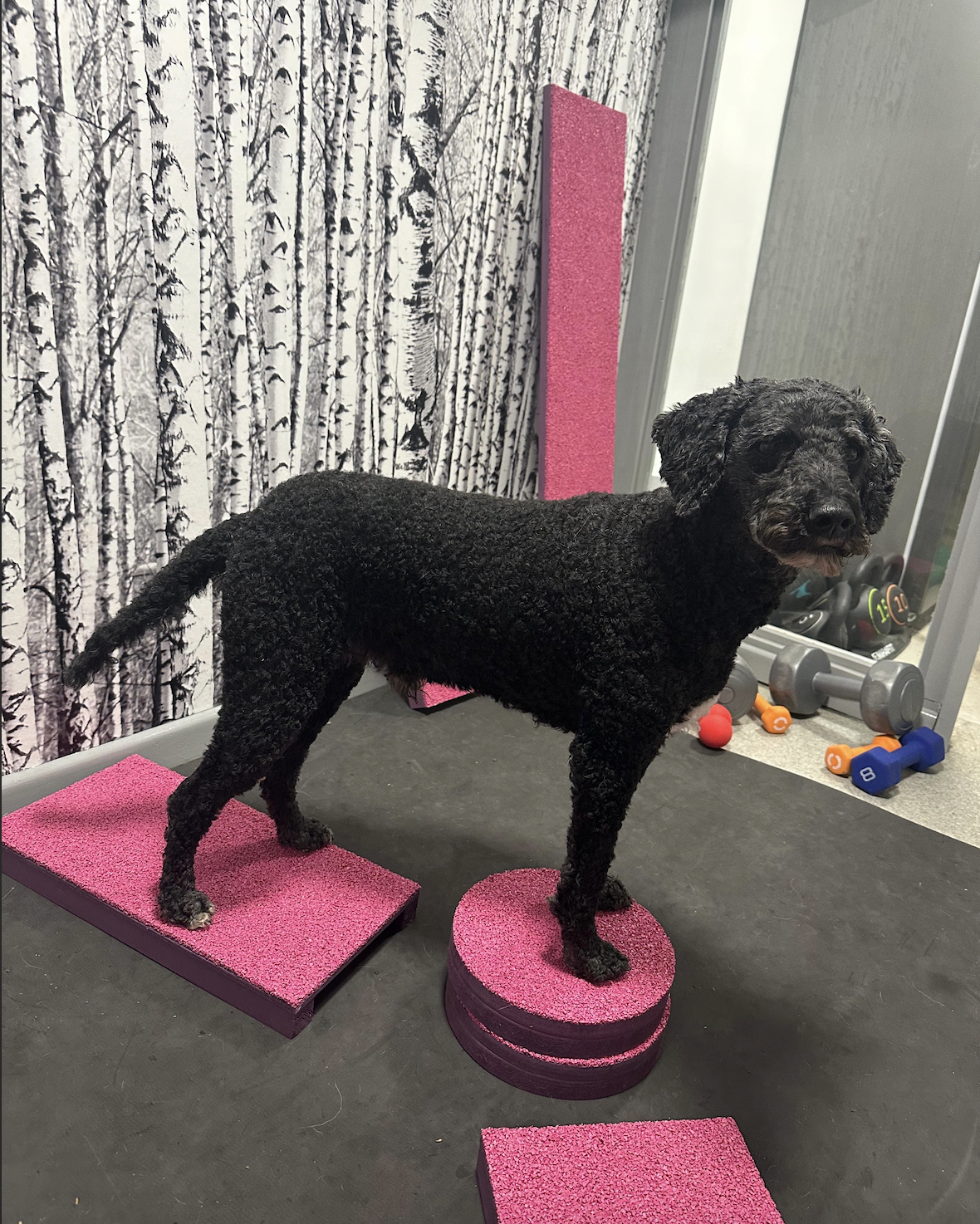
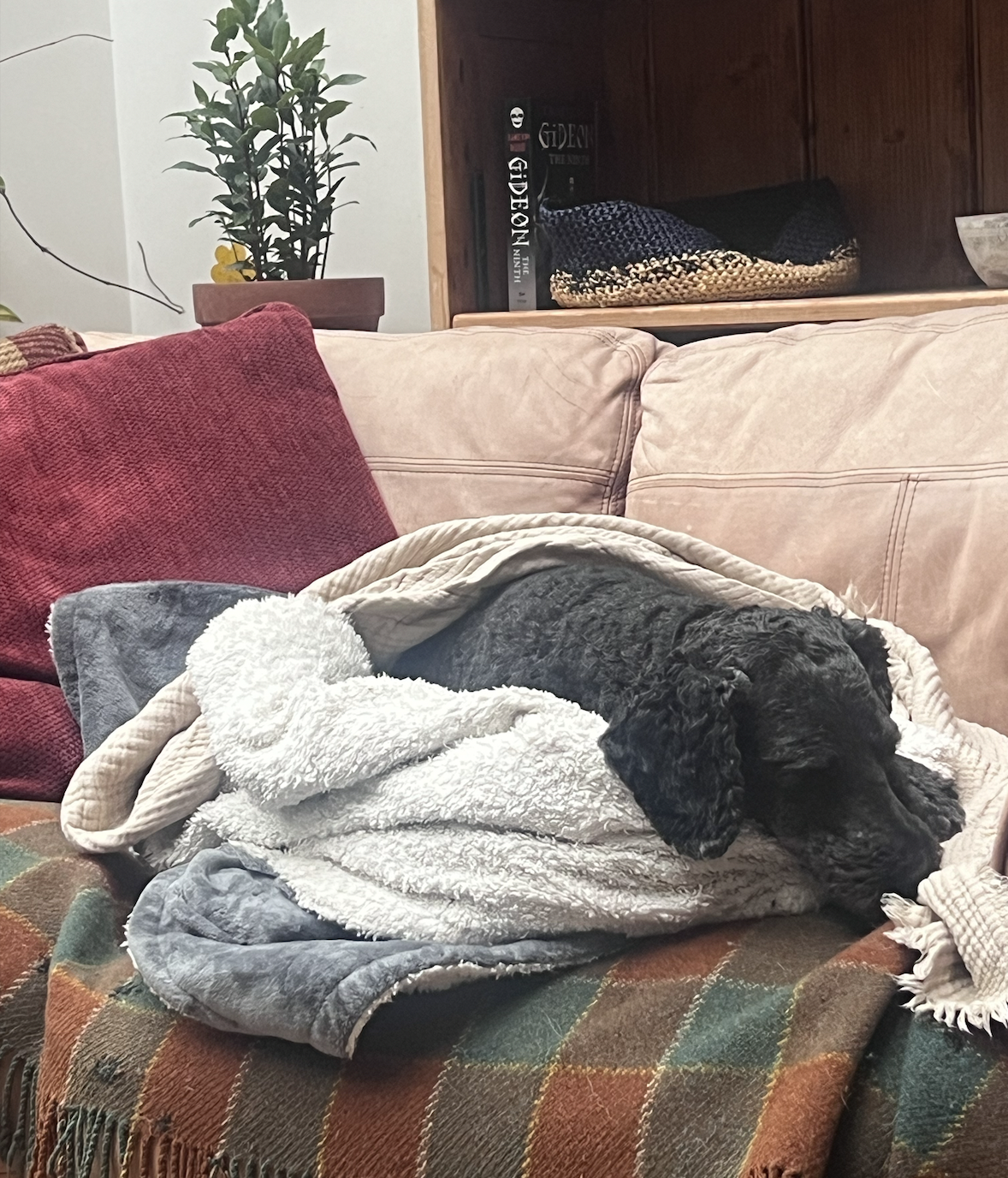
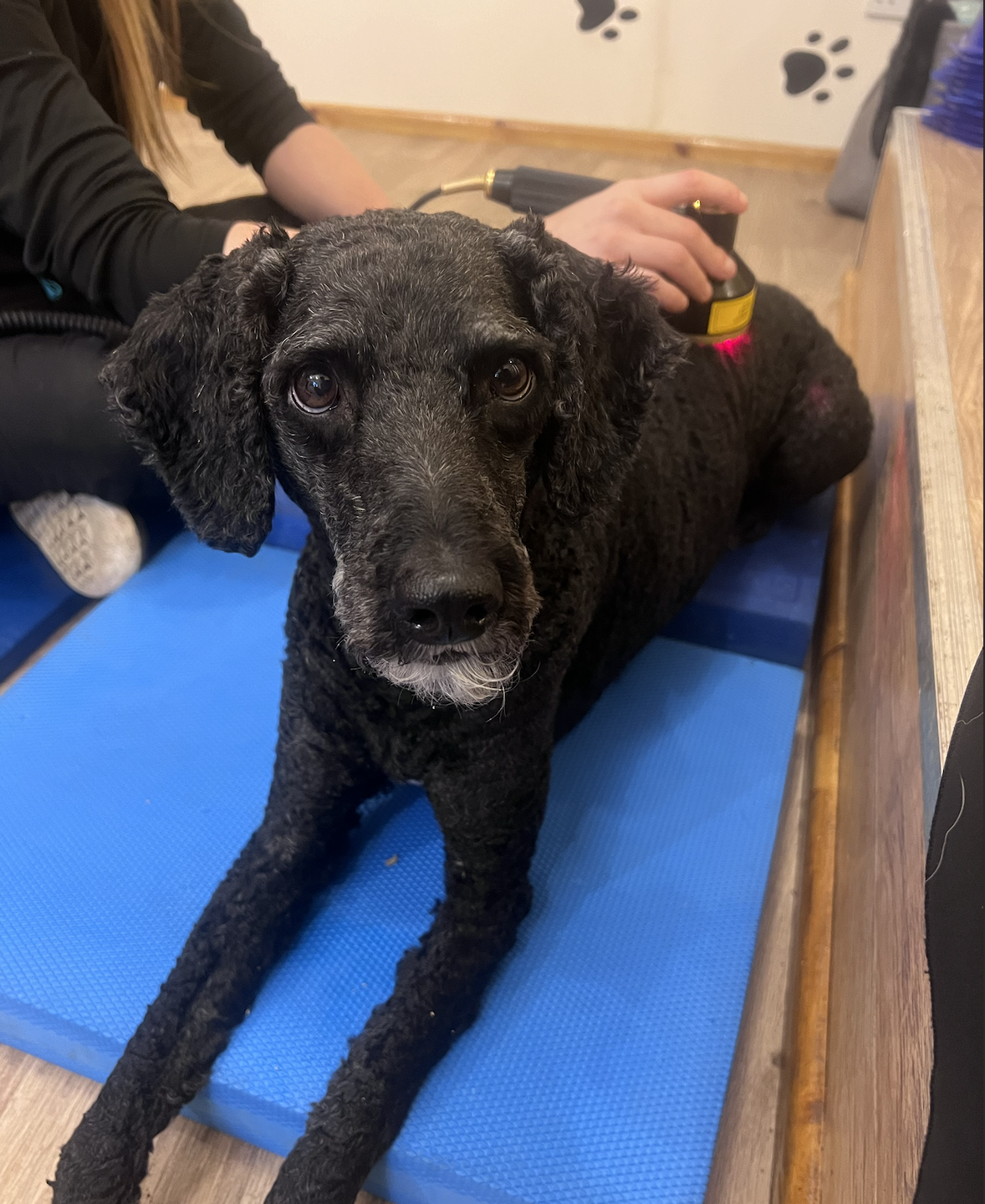
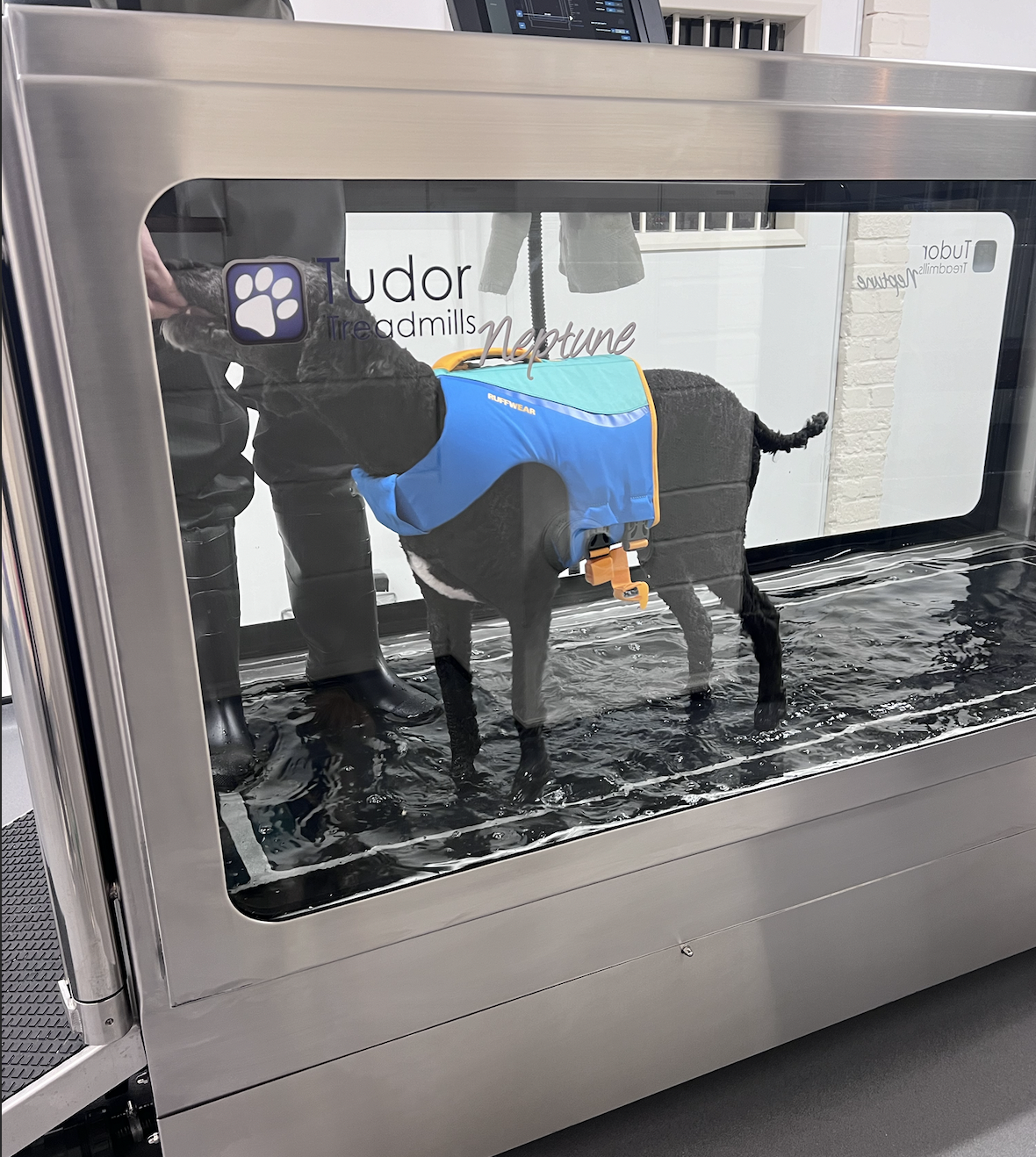
Putting it all together: This is so much more than I every thought I would be doing to care for a dog. I never dreamed I’d be giving so many pills, or adjusting so much about my life to keep him well.
But this is the reality of caring for chronically painful dogs,
What this means for sensitive dog guardians
Heera is not remotely an outlier within my work. I see versions of his story repeatedly in dogs with complex behavior challenges. Time and time again, the missed factor is chronic pain.
If there is anything I want you to take from this article is is that two things:
Failure to properly identify and treat chronic pain does significant harm. It is unethical to attempt to modify behavior without fully addressing underlying causes.
Investigating and managing chronic pain is multimodal and complex. Most professionals are completely unaware of just how extensive these plans need to be, and are reluctant to provide adequate analgesics.
That means we have to learn to advocate for our dogs: to keep asking questions, investigating, build the right team, and pushing for answers when something doesn’t add up.
If you’re caring for or work with dogs like Heera: believe them, and fight for the care they deserve. Trust me, it’s worth it.
If you’re still at the stage of wondering whether pain might be contributing to your dog’s challenging behavior, I already have lots of resources to help you. Hidden Hurt, which is completely free, explores how to recognize the subtle signs of pain in dogs. Clues to Care, which is available through my membership, goes into identifying the origins of your dog’s pain and diagnostic processes in even greater depth. There are also multiple free videos on my YouTube channel about identifying pain, medical advocacy and navigating the veterinary system.
Not sure where to start?
Watch Hidden Hurt for FREE to learn:
How to know if your dog may be experiencing pain or discomfort
Why it is so hard to diagnose and treat pain in dogs
Common undiagnosed causes of pain and discomfort
How pain cannot be ruled out via a physical exam